Three smells people describe to us
"The den smells like an ashtray every afternoon in August." "After a rainy weekend the front room smells like a wet basement." "There is a sour, almost vinegar smell coming off the fireplace, and candles do nothing."
Those are three different smells, and they usually point to three different problems. A chimney that stinks is rarely dangerous by itself, but the odor tells you two things: what is sitting in the flue, and which way the air is moving through it.
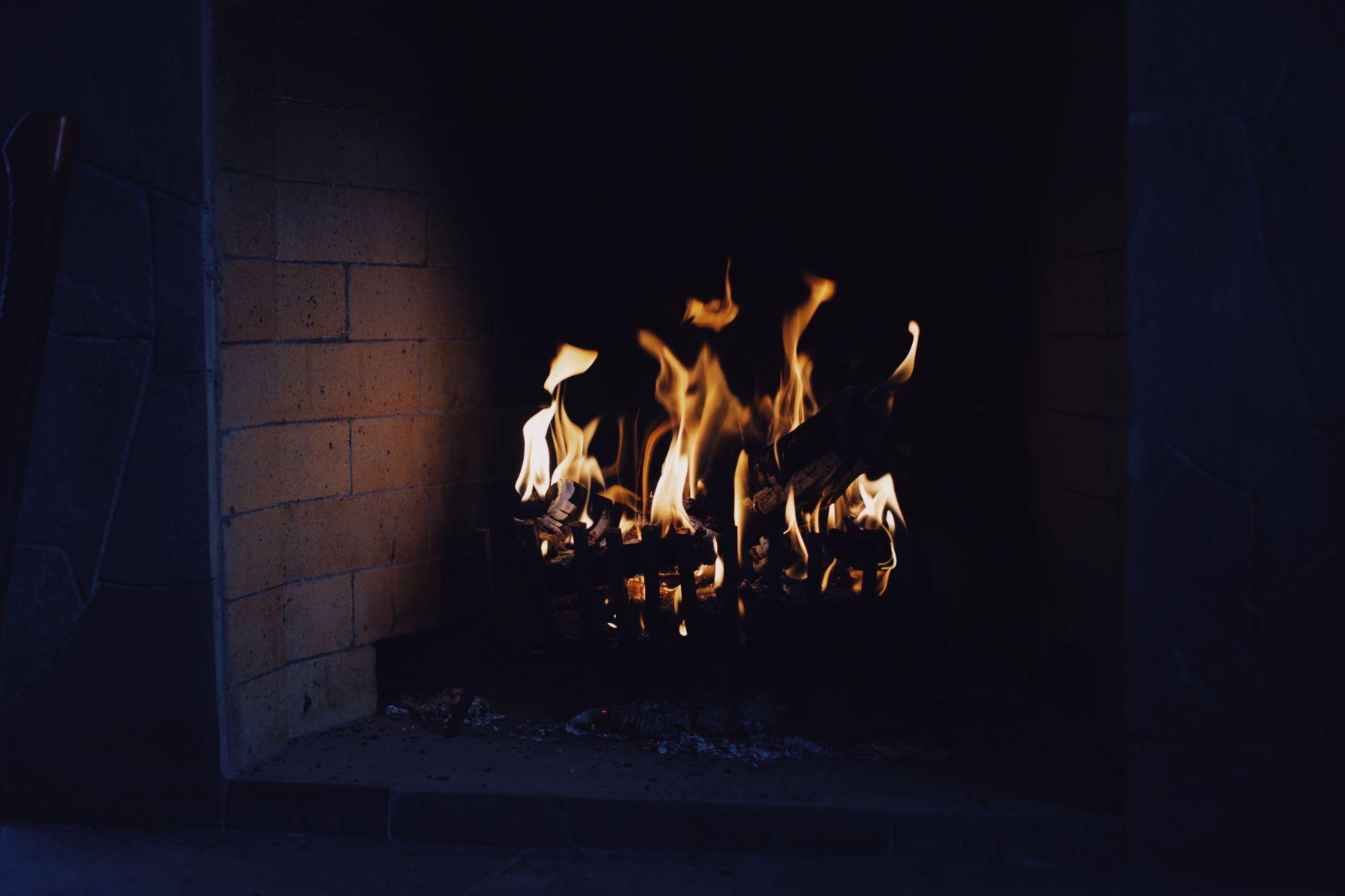
Campfire in July: last winter's creosote warming up
A summer campfire smell almost always comes from creosote and soot left on the flue walls after the burning season. On a cool day the deposits sit quietly. When the afternoon heats the chimney, the tar softens and gives off that smoky, slightly sharp odor. Humidity makes it worse, and in Long Beach the marine layer that rolls in on summer evenings keeps the masonry damp enough that the flue never fully dries out.
How we diagnose it: a light and a camera on the flue walls show how heavy the coating is and what kind it is. Fine, sooty dust brushes off easily. A glossy, crusted layer that looks like dripped tar takes more work to remove, and it is the same material that feeds chimney fires.
Wet cellar after rain: water inside the masonry
A musty or earthy smell that shows up after rain is a water problem. Brick and mortar soak up moisture. When rain gets into the flue through a missing cap, a cracked crown, or flashing that has pulled away from the roof, it mixes with old ash and the whole chimney starts to smell like a damp cellar.
Diagnosis here means looking from the roof as well as the hearth. We check whether there is a cap at all, whether the concrete crown on top has cracks, and whether the flashing is lifting. On older Craftsman and Spanish Revival houses in Bixby Knolls and California Heights, an open flue with no cap is a common find.
Sour, sharp, or rotten: heavy deposits, animals, debris
A sour smell is usually heavy creosote plus moisture. It hangs in the room even on cool days.
A rotten or barnyard smell is a different animal, sometimes literally. Birds nest on the smoke shelf, raccoons and squirrels use uncapped flues as a den, and now and then something falls in and cannot climb back out. Leaves and nesting material packed above the damper also hold water and rot.
We find these by opening the damper, looking up with a light, and running a camera past whatever blocks the view. If an animal is still alive in there, wildlife removal comes first and the sweep comes after.
The reason you can smell it at all: air moving down
A flue full of creosote does not smell up the room if the air in it is rising. The odor reaches you because the house is pulling air down the chimney. That is negative house pressure, and modern homes create plenty of it.
Every appliance that pushes air out of the house has to pull the same amount back in from somewhere:
- - A kitchen range hood on high
- Bathroom exhaust fans
- A clothes dryer
- A furnace or water heater drawing combustion air
- New, tight windows and weatherstripping that sealed the old leaks
When the house cannot find that air through gaps, it takes the easiest path, and a cold chimney is a wide open pipe to the outside. The flue turns into an intake, and every smell in it rides down with the air.
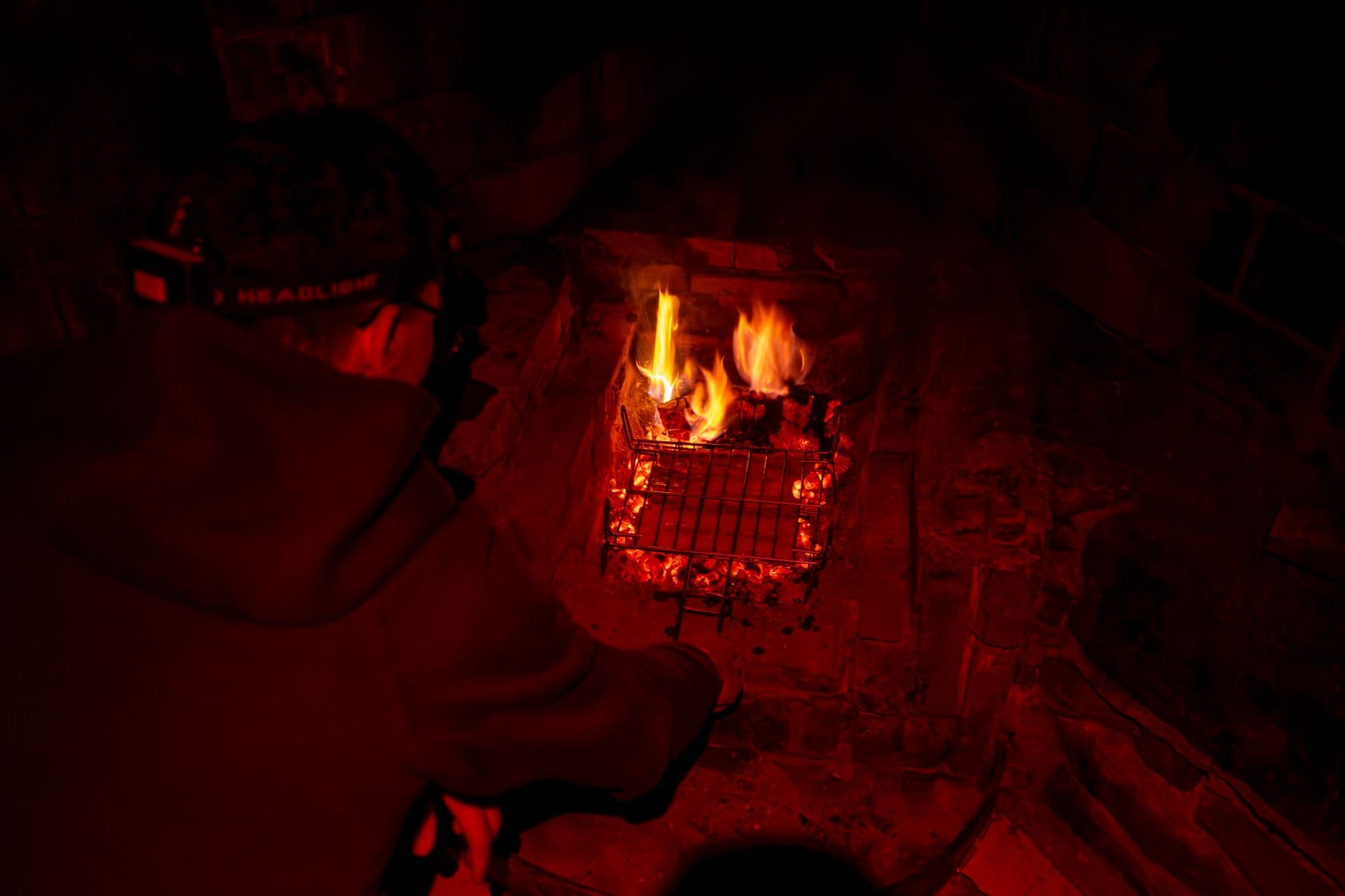
We test this with the house set up the way you live in it: fans on, dryer running, interior doors closed. A smoke pencil at the open damper or a draft gauge in the firebox shows which way the air moves. If the smoke drifts into the room with the fireplace cold, pressure is part of the cause, not just the deposits.
What sets the price and the next step
Most homes have two of these problems at once, and the bill follows which ones we find:
- - How heavy the creosote is. A routine sweep is from $210. Glazed, tar-like deposits need extra passes or a chemical treatment, and that extra work is quoted in writing after the diagnosis.
- Whether water is getting in. A chimney cap, installed, falls between $160 and $635 depending on flue size and cap style. Crown cracks and flashing work are quoted in writing once we have seen them.
- Whether something is nesting or rotting in the flue. Nests and loose debris usually come out during the sweep.
- Whether the house is pulling air down. The fix can be as small as a damper that actually seals, or as involved as makeup air for a large range hood.
Not sure which smell you have? Tell us when the smell is strongest and what the weather was doing, and attach a phone photo looking up past the damper if you can. We will reply with what we would check first.
Fixes that end the odor instead of covering it
Sweep the flue. Removing the deposits removes the source. For a summer campfire smell, a chimney sweep is the first step and often the only one.
Cap the top. A cap with mesh sides keeps out rain and animals. Once the masonry dries, most musty smells fade with it.
Seal the top, not just the throat. A standard damper sits low in the firebox and often leaks at the edges, especially once it rusts or warps. A top-sealing damper mounts at the crown and closes against a gasket. It stops outside air, rain, and odor at the top of the chimney, and it keeps heated or cooled air in the house.
Give the house another source of air. If the range hood or a tight house is drawing air down the flue, a makeup air inlet changes the balance. A large hood may need a dedicated makeup air kit, and that work is quoted after we measure.
Things that only buy a day: baking soda in the firebox, charcoal bags, scented sprays, and shutting the glass doors. The deposits and the downward air are still there tomorrow.
When a smell should move up the list
If the room also smokes when you light a fire, or the smell arrives with headaches or a carbon monoxide alarm, treat it as more than an odor. Stop using the fireplace until someone has looked at it. A smell problem in a Long Beach or Torrance home is usually a sweep and a cap. A smell that comes with smoke spilling into the room needs a draft check before the next fire.
Getting a sweep on the calendar
Pick one word for what your room smells like, campfire, wet cellar, or sour, and say it when you tap the call link on the site. That word usually tells us which tools to load before we head out.
Did the tips leave the smoke where it was?
Then the cause is probably one a test at the hearth will show. Ramsey listens to how the fire behaves, runs the house as you do and names the reason. We work from San Pedro across the peninsula, Lomita, Torrance and Long Beach.